Kyoto Ryokans & Mindful Tea: The Architecture of Inner Silence
How traditional wooden corridors, cedar soaks, and slow ceremonial tea restore human balance.
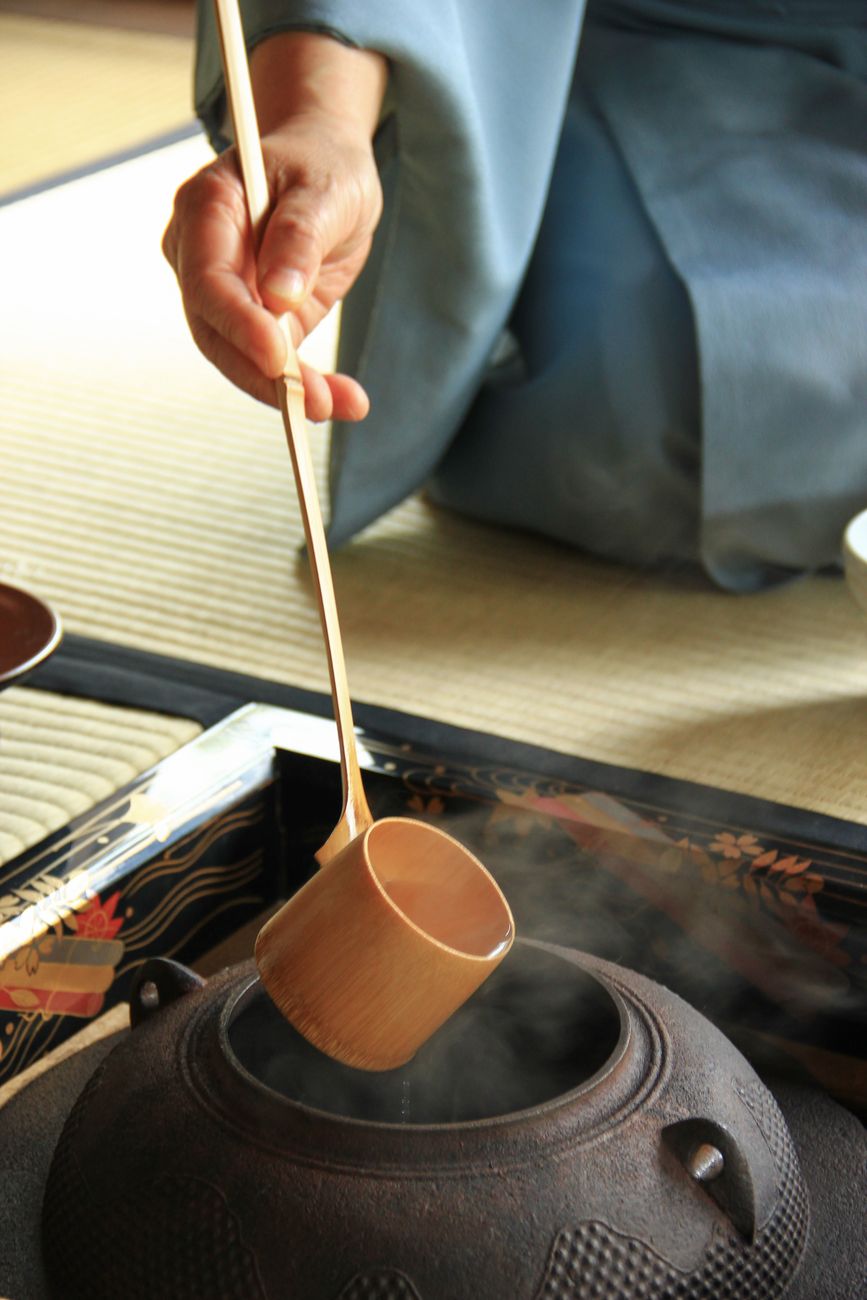
In the quiet district of Higashiyama, time adjusts its tempo. Slipping off your boots at the threshold of an ancient ryokan marks a deliberate boundary between outer noise and inner contemplation. The fragrance of fresh woven tatami reeds immediately grounds the senses.
The Geometry of Shadow and Wood
In his famed essay on Japanese aesthetics, Jun'ichirō Tanizaki reflected on the beauty found not in brilliance, but in the subtle gradients of shade. Within a Kyoto ryokan, sliding shoji paper screens filter harsh mid-day sunlight into a gentle, milky glow. There is no surplus decor; a single seasonal flower resting in an unglazed ceramic vase commands full attention.
"Tea is not simply a beverage; it is an orchestrated hour of mutual respect, sensory grounding, and seasonal alignment."
The Quiet Rhythm of Kaiseki
Evening brings the multi-course kaiseki meal, served privately in your chamber. Each miniature lacquerware dish reflects the micro-season: simmered bamboo shoots in spring, matsutake broth in autumn, or delicate sweetfish in summer. It is an art form rooted in profound respect for the earth’s rhythm, demonstrating that luxury lies in mindfulness rather than excess.